

Nasturtium
flower
Edible flowers and leaves — peppery like watercress. Trap-crops aphids.
At a glance
- USDA Zones
- 2–11
- Sun
- Full sun (6+ hrs)
- Water
- Low — drought-tolerant once established
- Soil
- Loam, sandy
- pH
- Neutral
- Spacing
- 12 in. between plants
- Per square foot
- 1 plant per square
Planting & harvest windows
Northern Hemisphere timing. Adjust ±4–6 weeks based on your last/first frost dates.
| Activity | Jan | Feb | Mar | Apr | May | Jun | Jul | Aug | Sep | Oct | Nov | Dec |
|---|---|---|---|---|---|---|---|---|---|---|---|---|
| Plant | ||||||||||||
| Harvest |
Plant Harvest
Good companions
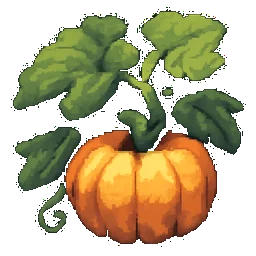
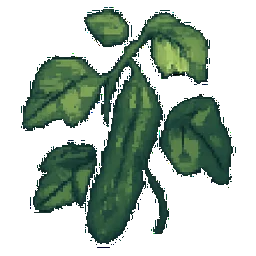
 Brassica (general)
Nasturtiums trap cabbage moths and aphids away from brassicas.
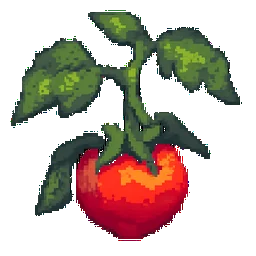 Tomato
Nasturtiums act as a trap crop for aphids and whiteflies, drawing them away from tomatoes.
Recommended varieties
- Jewel Mixseed
Bushy, colorful mix — red, orange, yellow.
- Empress of Indiaseed
Deep crimson blooms on blue-green leaves.
Add Nasturtium to your raised bed — the planner handles spacing and companion warnings automatically.
Open the planner →